Featured

The Last Man

Mary Shelley

Review by Kris Vyas-Myall

The “other book” from Mary Shelley seems to get as much flack from SF critics as Frankenstein gets love. Having now finished the book, I wanted to dispel some of the myths I had heard about it:

  1. It does not make any effort to predict the future.

The book includes regular balloon services over the Atlantic, we have humans called “automata of the flesh” (implying the presence of similar automata of metal), and we are told:

“the discoveries of science had augmented in a ratio which left all calculation behind; food sprung up, so to say, spontaneously—machines existed to supply with facility every want of the population.”

There also plenty of political predictions too, with England as a republic, the separation of America into Northern and Southern States, and an independent Greece retaking Constantinople.

There are two things I think people are actually referring to. Firstly, it is not as obsessed with the gadgetry of the future as other works are (if you want one of the same period with such description, try Jane Loudon’s The Mummy) but that is not the point of the novel. It does not matter to Shelley’s destruction of humanity if houses are lighted by candles, gas or electricity.

The second part is that it still represents a predominantly agrarian society and focuses the political conflict between aristocrats and republicans.  I find this an even harder objection to swallow, even England would not reach 50% urbanisation for another two decades, and this was still 20 years before the publication of the Communist Manifesto. Two hundred years before this was published was the creation of the first English Republic in a largely agrarian landscape. Having this still be the case at the end of the 20th Century is not the beyond what many would have thought.

  1. It is too long.

With the recent Penguin Classic edition being ~500 pages long, it would seem on the longer side to many mid-century critics but it is shorter than Dune and has nothing on the sprawling fantasy works we see today.

I think what people may be referring to is the florid style and glacial pace as the world is destroyed. But I believe that is a feature, not a bug. Having lived through our own pandemic now, we know what it is like to experience dullness along side the creeping dread of the illness. Here we see it move from being a foreign problem, to an urban problem, to one in nearby villages, to the simple fact of life that corpses pile up everywhere. This can only be done (to my mind anyway) through careful exploration and vivid description.  

  1. It is dull.

This, I believe, is a product of our modern expectations. We have seen so many Hollywood interpretations of a pandemic, with entire towns dying in minutes and secret bases of scientists working on a cure. These characters are not Victor Frankenstein, there is nothing they can do about the disease themselves, whether they are immune or not is a case of luck. As is noted:

“individuals may escape ninety-nine times, and receive the death-blow at the hundredth”

This is instead a tale of people trying to cope in this world and accept that there is nothing that can be done. It is therefore not an easy tale, but a rewarding one.

  1. It no longer has any relevance.

I feel this has gone by the wayside somewhat in the last few years, but I still want to touch on it. Apart from the obvious similarities we see within our own pandemic, just because the people here are from another time, does not mean there is not much we can learn from them, any more than we would dismiss the contents of A Christmas Carol or Pride and Prejudice.

In many ways that are glaringly obvious (to me at least) the work is clearly semi-autobiographical, looking at her relationships and the loss of both her husband and Lord Byron. The nature of loneliness, grief but also acceptance, are important ideas we can all draw from today.

Goodreads Link

Featured

My Top 10 SFF Favourite Books From 2023 (I have read so far)

By Kris Vyas-Myall

As some of you readers may know, 2023 was a particularly hard year for me. As such I didn’t get as much reading as I would normally do. However, that doesn’t mean I haven’t read some books from last year I didn’t love. So here are my top 10 to date:

  1. The Mimicking of Known Successes by Malka Ann Older
The Mimicking of Known Successes by Malka Ann Older Cover

I sometimes feel a bit funny about promoting Tor Novellas. They get so much coverage as it is, do they really need my help? However, I also adore Older’s work and this is just so much fun. I mean a Lesbian Sherlock Holmes adventure taking place on platforms orbiting a gas giant with a take on environmentalism? What’s not to love?

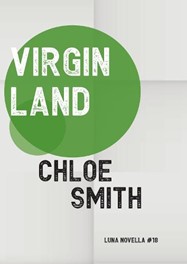
  1. Virgin Land by Chloe Smith
Virgin Land by Chloe Smith Cover

Talking of environmentally focussed novellas, Smith’s work came as wonderful surprise to me. At first it seems like a standard piece of frontier fiction but it then branches out in to fascinating areas looking at sustainability, relationships and what we owe to each other and ourselves.

  1. Translation State by Ann Leckie
Translation State by Ann Leckie Cover

I had not been as huge a fan of the previous Radch novels as many in the SF community. I liked them but also felt them flawed in some ways. This, however, felt like it was written for me. Returning to the universe but looking at it from the outside, we get a more nuanced complicated tale that really spoke to me.

  1. Our Hideous Progeny by C.E. McGill
Our Hideous Progeny by C.E. McGill Cover

What I am on record as being a huge fan of, however, is Mary Shelley’s Frankenstein. People trying to riff on the concept don’t always work as well. McGill’s debut definitely does. It uses the prism of Shelley’s work to explore real life areas of Victorian science and morality, raising questions that still resonate today.

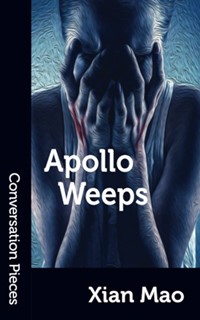
  1. Apollo Weeps by Xian Mao
Apollo Weeps by Xian Mao Cover

Whilst I think you might be able to debate how SFnal this is, this novella plays with the concepts and tropes well enough that I definitely consider it so. Going through the history of an American family, the canon of theatre and contemporary issues around prejudice, it is among the most crunchy and complex works for me of 2023.

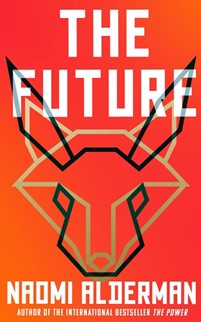
  1. The Future by Naomi Alderman
The Future by Naomi Alderman Cover

In science fiction, contemporary literary novels and everything in between, I am a big fan of Alderman’s. She has the ability to get to the heart of an issue, stick the knife in and extricate the beating mess with flair and style. Here she takes on Tech Billionaires and AI. A book to be experienced.

  1. The Adventures of Amina Al-Sirafi by Shannon Chakraborty
The Adventures of Amina Al-Sirafi by Shannon Chakraborty Cover

This book falls into what I think of as one of my favourite subgenres, “inclusive pulp”. It takes the feel and concepts of pulp fiction of the 20s and 30s, but then uses them in new ways and includes groups that are often not part of these tales. Here she takes a Sword & Sorcery quest narrative and combines it with the Sinbad tales (another favourite of my youth) with an older middle-eastern woman in the lead role. Told with wit, style and tremendous imagination.

  1. The Centre by Ayesha Manazir Siddiqi
The Centre by Ayesha Manazir Siddiqi Cover

The politics and complexity of translations are something that fascinates me. Should one be truly authentic to the original text? Who owns the tale? Is sharing of stories in this manner inclusive or colonialist? This literary delves headfirst into these questions with a horrific mystery designed to leave you unsettled.

  1. Broken Light by Joanne Harris
Broken Light by Joanne Harris Cover

I sometimes feel like Joanne Harris is a victim of her own success. Every year she seems to put out yet another piece of brilliance, I feel like some critics take her for granted. But we should not overlook her and be thankful for such a prolific author of this calibre. Here she gives us a devastatingly beautiful tale of abuse, trauma and power that almost beggars belief in its sharpness.

  1. Corey Fah Does Social Mobility by Isabel Waidner
Corey Fah Does Social Mobility by Isabel Waidner Cover

If there is one author, I could scream from the rooftops about it is Isabel Waidner. They use concepts from Science Fiction and Fantasy to explore our contemporary world in the most innovative ways but seem to have been completely ignored by the SF community (they even lack an ISFDB page). Here we get an author trying to collect a literary prize that keeps flying away whilst also having to deal with Bambi (not the Disneyfied version but the real one with spider legs that eats creatures) falling through a wormhole. What to do but have a reality TV crew follow you as you try to retrieve the award?

Once again, a masterpiece.

The Subjective Chaos Kind of Awards 2023 Nominees


You all know it, it is time for the 2023 Subjective Chaos Kind of Awards, nominees:


Fantasy Novel:

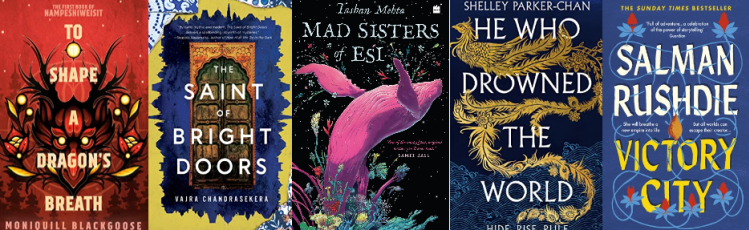
Covers for:
The Saint Of Bright Doors - Vajra Chandrasekera
Victory City - Salman Rushdie
To Shape A Dragon's Breath - Moniquill Blackgoose
The Mad Sisters of Esi - Tashan Mehta
He Who Drowned The World - Shelley Parker-Chan
 

To Shape A Dragon’s Breath by Moniquill Blackgoose
The Saint Of Bright Doors by Vajra Chandrasekera
The Mad Sisters of Esi by Tashan Mehta
He Who Drowned The World by Shelley Parker-Chan
Victory City by Salman Rushdie


Science Fiction Novel:

The Ten Percent Thief - Lavanya Lakshminarayan
The Future - Naomi Alderman
The Land of Milk and Honey - C Pam Zhang
Chain Gang All-Stars - Nana Kwame Adjei-Brenyah
The Bridge - Lauren Beukes 
The Jinn-Bot of Shantiport - Samit Basu
 

Chain Gang All-Stars – Nana Kwame Adjei-Brenyah
The Future – Naomi Alderman
The Jinn-Bot of Shantiport – Samit Basu
The Bridge – Lauren Beukes
The Ten Percent Thief – Lavanya Lakshminarayan
The Land of Milk and Honey – C Pam Zhang


Blurred Boundaries:

Sordidez - E.G. Condé
Corey Fah Does Social Mobility - Isabel Waidner
OKPsyche - Anya Johanna DeNiro
Caged Ocean Dub - Dere Falowo
 

Sordidez – E.G. Condé
OKPsyche – Anya Johanna DeNiro
Caged Ocean Dub – Dere Falowo
Corey Fah Does Social Mobility – Isabel Waidner


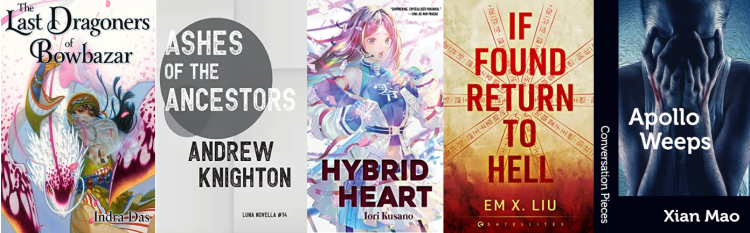
Novella:

Ashes of the Ancestors - Andrew Knighton
Apollo Weeps - Xian Mao
If Found Return To Hell - Em X Liu
The Last Dragon of Bowbazar - Indra Das
Hybrid Heart - Iori Kusano
 

The Last Dragon of Bowbazar – Indra Das
Ashes of the Ancestors – Andrew Knighton
Hybrid Heart – Iori Kusano
If Found Return To Hell – Em X Liu
Apollo Weeps – Xian Mao
On the English Approach to the Study of History – E Saxey (Giganotosaurus)


Short Fiction:

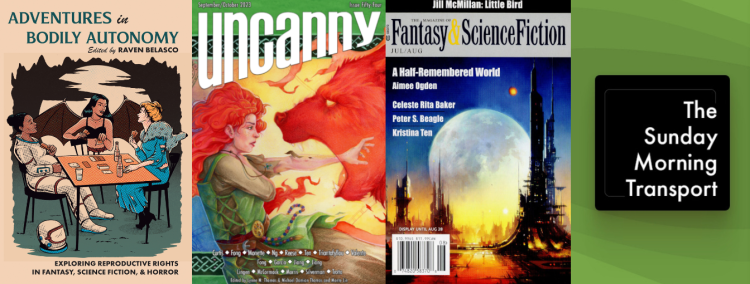
Covers for:
The Girl With A City Inside Of Her - Jeannette Ng
Approved Methods of Love Divination in the First-Rate City of Dushagorod" - Kristina Ten
Welcome to your Lifting - Tara Campbell
Always be Returning - Eugenia Triantafyllou

Welcome to your Lifting – Tara Campbell (Adventures in Bodily Autonomy)
The Girl With A City Inside Of Her – Jeannette Ng (Uncanny
Approved Methods of Love Divination in the First-Rate City of Dushagorod – Kristina Ten (F&SF)
Always be Returning – Eugenia Triantafyllou (Sunday Morning Transport


The Subjective Chaos Kind of Awards 2023 Winners


And so we come to the end of another year SCKA. After many months of reading and arguing. So, without further ado, here are the winners:


Fantasy Novel:

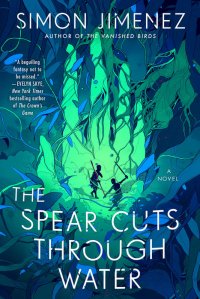
Simon Jimenez, Spear Cuts Through Water

The Spear Cuts Through Water by Simon Jimenez


Science Fiction Novel:

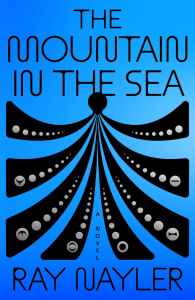
Ray Nayler, The Mountain in the Sea

The Mountain In The Sea by Ray Nayler


Blurred Boundaries:

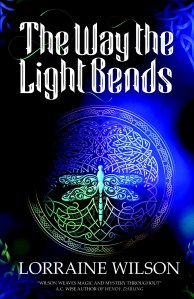
Lorraine Wilson, The Way The Light Bends

The Way The Light Bends by Lorraine Wilson


 Novella:

Sam J. Miller, Kid Wolf and Kraken Boy

Kid Wolf And Kraken Boy by Sam J. Miller

Short Fiction:

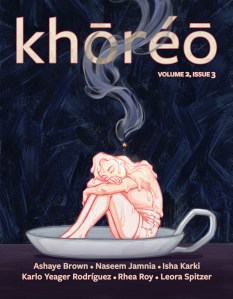
Khoreo

This Excessive Use Of Pickled Food by Leora Spitzer (Khoreo)


So until next year stay subjective and stay chaotic!

The Subjective Chaos Kind of Awards 2023 Finalists

After a particularly fallow period for this blog I am returning to announce the finalist and give some quick thoughts on them:


Fantasy Novel:

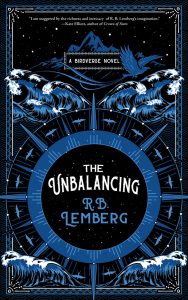
R B Lemberg, The Unbalancing
Simon Jimenez, Spear Cuts Through Water

The Unbalancing by R. B. Lemberg
The Spear Cuts Through Water by Simon Jimenez

I have actually read both of these nominees, both are impressive but subjectively The Unbalancing clinches it for me, the prose is just so beautiful that I adored it.

Science Fiction Novel:

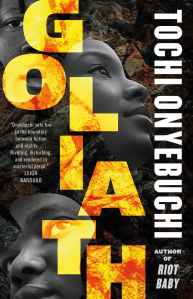
Tochi Onyebuchi, Goliath
Ray Nayler, The Mountain in the Sea

Goliath by Tochi Onyebuchi
The Mountain In The Sea by Ray Nayler

I am in the process of reading Goliath and I am very impressed so far. The Mountain in the Sea is going to have to be very strong to top it.


Blurred Boundaries:

Okwiri Oduor, Things They Lost
Lorraine Wilson, The Way The Light Bends

Things They Lost by Okwiri Oduor
The Way The Light Bends by Lorraine Wilson

I am yet to read either of these books and I believe both the authors are new to me, I cannot wait to dive in.

Novella:

Stewart Hotston, The Entropy of Loss
Sam J. Miller, Kid Wolf and Kraken Boy

The Entropy Of Loss by Stewart Hotston
Kid Wolf And Kraken Boy by Sam J. Miller

I am also yet to read either of these however both of these authors I have read and liked before. Will be interesting to see which comes out on top.

Short Fiction:

Khoreo

Africa Risen

This Excessive Use Of Pickled Food by Leora Spitzer (Khoreo)
The Lady Of The Yellow-Painted Library by Tobi Ogundiran (Africa Risen)


I am yet to pick up Africa Risen but This Excessive Use… is a wonderfully sensorial tale that I think is going to stick with me for a while.


But who will win this year’s rocks? Come and see soon!

The Subjective Chaos Kind of Awards 2022 Finalists


As usual later than everyone else, it is time for the 2022 Subjective Chaos Kind of Awards finalists:


Fantasy Novel:

Fantasy Novel
 

The Unbroken by CL Clark
The Inheritance of Orquídea Divina by Zoraida Córdova
She Who Became the Sun by Shelley Parker-Chan
 

Science Fiction Novel:

Scifi Novel
 

A Desolation Called Peace by Arkady Martine
Shards of Earth by Adrian Tchaikovsky
 

Blurred Boundaries:

Blurred Boundaries


Light from Uncommon Stars by Ryka Aoki
The Library of the Dead by TL Huchu
 

Novella:

Novella


Fireheart Tiger by Aliette de Bodard
& This Is How We Stay Alive by Shingai Njeri Kagunda
The Annual Migration of Clouds by Premee Mohamed
These Lifeless Things by Premee Mohamed
 

Series:

Series
 

The Expanse by James SA Corey
The Kingston Cycle by CL Polk


Short Fiction:


Homecoming Is Just Another Word For The Sublimation Of The Self by Isabel J Kim (Clarkesworld #174)
The Amazing Exploding Women of the 20th Century by AC Wise (Apex #122)


Debut:

Iron Widow by Xiran Jay Zhao
This is Our Undoing by Lorraine Wilson


Young Adult:

The Gilded Ones by Namina Forna
The Mirror Season by Anna-Marie McLemore


Graphic novel:

Shadow Life by Hiromi Goto & Ann Xu
The Girl from the Sea by Molly Knox-Ostertag


But who will win this year’s rocks? Come and see soon!

The Subjective Chaos Kind of Awards 2022 Nominees


You all know it, it is time for the 2022 Subjective Chaos Kind of Awards, nominees:


Fantasy Novel:

Fantasy Novel


The House of Rust by Khadija Abdalla Bajaber
The Unbroken by CL Clark
The Inheritance of Orquídea Divina by Zoraida Córdova
A Master of Djinn P Djèlí Clark
Blackheart Knights by Laure Eve
Sistersong by Lucy Holland
She Who Became the Sun by Shelley Parker-Chan
The Jasmine Throne by Tasha Suri
Wendy, Darling by AC Wise


Science Fiction Novel:

Scifi Novel


Alyx: An AI’s Guide to Love and Murder by Brent A Harris
Several People are Typing by Calvin Kalsuke
Firebreak by Nicole Kornher-Stace
A Desolation Called Peace by Arkady Martine
Notes from the Burning Age by Claire North
The Unravelling by Benjamin Rosenbaum
Meet Me in Another Life by Catriona Silvey
Shards of Earth by Adrian Tchaikovsky
Far from the Light of Heaven by Tade Thompson


Blurred Boundaries:

Blurred Boundaries


Light from Uncommon Stars by Ryka Aoki
The Actual Star by Monica Byrne
Nightwatch on the Hinterlands by K. Eason
The Library of the Dead by TL Huchu
The Cabinet by Un-Su Kim
The Velocity of Revolution by Marshall Ryan Maresca
The Light of the Midnight Stars by Rena Rossner
Sorrowlands by Rivers Solomon
On Fragile Waves by E Lily Yu


Novella:

Novella


Tower of Mud and Straw by Yaroslav Barsukov
Fireheart Tiger by Aliette de Bodard
A Psalm for the Well-Built by Becky Chambers
The Future God of Love by Dilman Dila
A Spindle Splintered by Alix E. Harrow
& This Is How We Stay Alive by Shingai Njeri Kagunda
The Annual Migration of Clouds by Premee Mohamed
These Lifeless Things by Premee Mohamed
Sun-Daughters, Sea-Daughters by Aimee Ogden
One Day All This Will Be Yours by Adrian Tchaikovsky
The Past is Red by Catherynne M Valente
A Manslaughter of Crows by Chris Willrich


Series:

Series


Noughts and Crosses by Malorie Blackman
The Expanse by James SA Corey
Los Nefilim by T Frohock
Girls of Paper and Fire by Natasha Ngan
The Kingston Cycle by CL Polk


Short Fiction:


Homecoming Is Just Another Word For The Sublimation Of The Self by Isabel J Kim (Clarkesworld #174)
Immortal Coil by Ellen Kushner (Uncanny Magazine #41)
The Badger’s Digestion, or The First First-Hand Description of Deneskan Beastcraft by an Aouwan Researcher by Malka Older (Constelación #1)
The Amazing Exploding Women of the 20th Century by AC Wise (Apex #122)


Debut:


Unity by Elly Bangs
The Councillor by E.J. Beaton
Inscape by Louise Carey
The Witch’s Heart by Genevieve Gornichec
Iron Widow by Xiran Jay Zhao
The Wolf and the Woodsman by Ava Reid
This is Our Undoing by Lorraine Wilson


And two new categories for 2022 Young Adult:


The Gilded Ones by Namina Forna
The Mirror Season by Anna-Marie McLemore
We Light Up the Sky by Lilliam Rivera
House of Hollow by Krystal Sutherland


And  Graphic novel:


Shadow Life by Hiromi Goto & Ann Xu
The Girl from the Sea by Molly Knox-Ostertag
Lore Olympus by Rachel Smythe
Tidesong by Wendy Xu


Keep watching for further updates

Top Books of 2021

by Kris Vyas-Myall

2021 has been a bit of a strange year for us. It started with us having our baby. Continued with us trying to navigate the pandemic. And ended with us dealing with trying to get someone in to repair our house. Needless to say, it has not been the easiest 12 months and our reading (or writing) speed has not been at its highest rate.

That is not to say I have not managed to read some great books and comics. Here are some of my favourites I read in 2021:

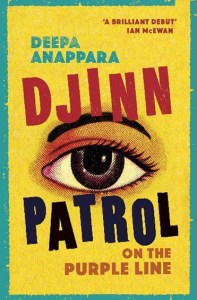
Djinn Patrol on the Purple Line by Deepa Anappara

Djinn Patrol on the Purple Line by Deepa Anappara

Starting with one of the most literary and boundary bending novels I read this year. At once a very dark piece of crime fiction but also a tale of fantasy as a way of understanding the horrors of the real world and dealing with the loss of innocence. Not an easy book but a thoroughly worthwhile one.

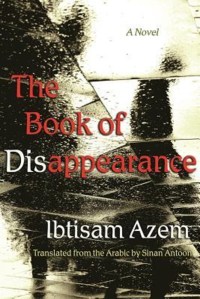
The Book of Disappearance by Ibtisam Azem (Translated by Sinan Antoon)

The Book of Disappearance by Ibtisam Azem

Continuing the boundary bending theme, Azem’s novel starts with a shocking premise, what if all the Arabs in Israel and Palestine one day vanished. But it does not seek to explore the reasons why that happened, rather it is to question what this situation would actually mean and the effect it would have. A surprising and powerful book.

A Song of Wraiths and Ruin by Roseanne A. Brown

A Song of Wraiths and Ruin by Roseanne A. Brown

I am a sucker for a good bit of court intrigue at any time, and this managed to excel at it. Combining conflicting motivations, great characters, and brilliant world building. An absolutely fabulous time.

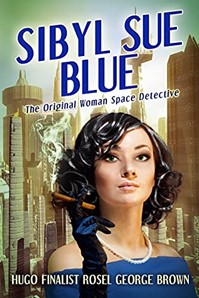
Sibyl Sue Blue by Rosel George Brown

SIbyl Sue Blue

From one R. Brown, to another. Rosel was one of the greats of mid-century science fiction but her career was cut short and is often overlooked compared to many others of the 50s and 60s. One of her only novels is amazing and the titular character (to quote a contemporary review) “is the swingingest mama since – well since.” Still as fresh as when it came out.

Parable of the Talents by Octavia E. Butler

Parable of the Talents by Octavia E. Butler

Talking of greats, one that should require no introduction is Octavia E. Butler, very possibly my favourite writer of all-time. With her having only written a dozen books, I am trying to pace myself with reading them. That way I can savour, appreciate and, most importantly, recover from each one. Here we have the continuation of the Earthseed story, even more harrowing than in Sower but also deeper, more complex and thought provoking.

Wise Children by Angela Carter

Wise Children by Angela Carter

I have also been working my way slowly through Angela Carter’s back catalogue (although with much more mixed results than Butler’s) and came across this bizarre gem. Her final novel and one of her most interesting, it is a tale of magical realism where I am never entirely sure what is actually happening and what is imagined.

Piranesi by Susanna Clarke

Piranesi by Susanna Clarke

From backlist to a long-awaited recent release. I think many people reacted badly to how different Piranesi is to Clarke’s Strange & Norrell but I love the direction she went in. It is not even so much fantasy as strange uncanny speculative fiction, with a real sense of mystery and wonder.

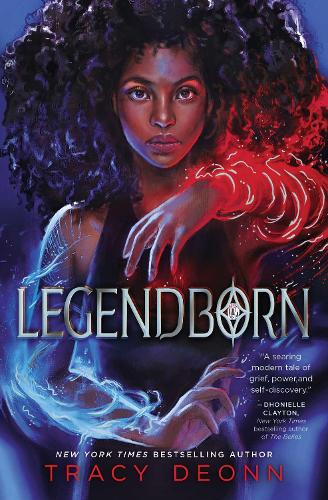
Legendborn by Tracy Deonn

Legendborn by Tracy Deonn

One of the best debuts of recent years, taking the tropes of magic school and college dramas and using them to tell a tale that subverts them as well as telling a fascinating story of racism and cultural appropriation.

The One Hundred Nights of Hero by Isabel Greenberg

The One Hundred Nights of Hero by Isabel Greenberg

A beautiful fantasy graphic novel telling a queer fairy tale. I was at some points uncomfortable, but I believe that was intentional and added to the atmosphere.

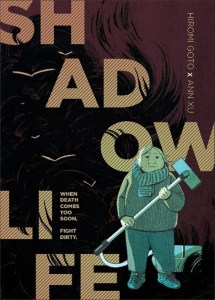
Shadow Life by Hiromi Goto & Ann Xu

Shadow Life by Hiromi Goto & Ann Xu

Talking of beautiful graphic novels, this is one at the other end of life, where an old woman is trying to trap death as she tries to live independently away for her kids. Not something I expected but marvellous.

The Testament of Loki by Joanne M. Harris

The Testament of Loki by Joanne M. Harris

I enjoyed but was not blown away by The Gospel of Loki but was curious to try to see where the series would go after having dealt with canon of Norse myths. It turns out the present day, involving multiverses, runes and computer games. Strange and marvellous.

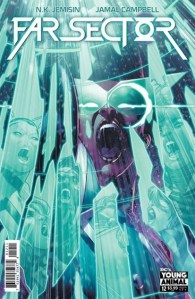
Far Sector by N. K. Jemisin & Jamal Campbell

Far Sector by N. K. Jemisin & Jamal Campbell

I have found myself wandering away from mainstream superhero comics over the last few years. Many of my favourite characters were disappearing and few of the stories did something new. One exception is this marvellous series by Jemisin, looking at a Green Lantern on a distant world. As would be expected both strange and relevant, managing to show there can still be new life in these kind of tales.

Zed by Joanna Kavenna

Zed by Joanna Kavenna

I always enjoy a good piece of cyberpunk, but often feel they can lean too heavily on the cyber aesthetic and not have the punk themes. This one definitely has the latter in spades. Telling a very important story of the dangers of automation in detailed fashion which never becomes dull.

The Dragon Republic by R.F. Kuang

Dragon Republic by R. F. Kuang

I delayed reading this second volume, even though I adored the first. The reason being that I felt like The Poppy War had such a good structure and ending, wouldn’t I just be disappointed by another story in the same world. Thankfully this was not the case here. It manages to keep up the ambiguity of its predecessor whilst also expanding the scope of the world.

When Fox is a Thousand by Larissa Lai

When Fox is a Thousand by Larissa Lai

I had been wanting to read some Larissa Lai for a while, so I am glad I got to get this. It has everything I want in a book, lonely immortals, explorations of identity, weird fantasy, lyrical prose and some lovely queerness. Brilliant.


Goldilocks by Laura Lam

Goldilocks by Laura Lam

I find it is rare nowadays for me to be bowled over by a space opera but I definitely was. For me this is everything I wish more science fiction would be. Character led, political, brilliant prose, combining scientific ideas with strong plotting. Just all around marvellous.

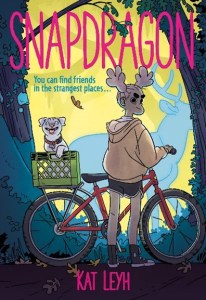
Snapdragon by Kat Leyh

Snapdragon by Kat Leyh

I am not directly plugged into the YA or Middle Grade Graphic Novel market, so when one crosses over to my attention it is often very good. Snapdragon is no exception. A magnificent piece of fantasy that explores identity and growing up.

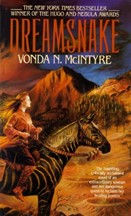
Dreamsnake by Vonda N. McIntyre

Dreamsnake by Vonda N. McIntyre

One of those SF classics I often see mentioned but had yet to get around to reading. Semi-magical journeys across a post-apocalyptic landscape are nothing new (they have been around basically as long as SF has), what makes this special is that it has a much more mature handling of tough issues and the brilliant voice McIntyre gives to Snake.

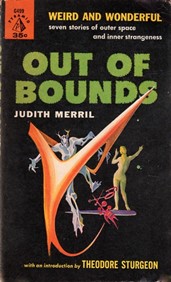
Out of Bounds by Judith Merril

Out of Bounds by Judith Merril

Judith Merril was a huge talent and a massive influence on 60s and 70s science fiction. Yet with only 4 novels and a couple of dozen short stories (all sparsely reprinted) she is nowhere near as recognized as she deserves. This collection (her earliest) showcases why. We get her unique takes on space opera, telepathy, war and more.

Remnant Population by Elizabeth Moon

Remnant Population by Elizabeth Moon

Talking of underrated, the more I read of Elizabeth Moon, the more I realize what an underappreciated talent she is. Every book of hers I read is brilliant in a different way. Remnant Population is a brilliant take on colonisation, the dangers of corporatisation and pseudo-scientific categorisation of people. Really amazing

Riot Baby by Tochi Onyebuchi

Riot Baby by Tochi Onyebuchi

This is an incredibly tough but also worthwhile novella. A brilliant example of how the fantastic can be used by skilled authors to highlight important issues and really make the reader reflect.

Meet Me in Another Life by Catriona Silvey

Meet Me in Another Life by Catriona Silvey

I have seen this classified as a romance but that is too small for what is doing. In this, the two main characters find themselves living their lives again and again but where they mean completely different things to each other. Together they have to unravel what is happening to them.

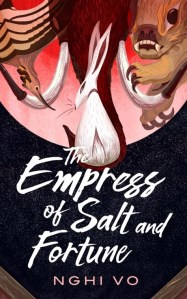
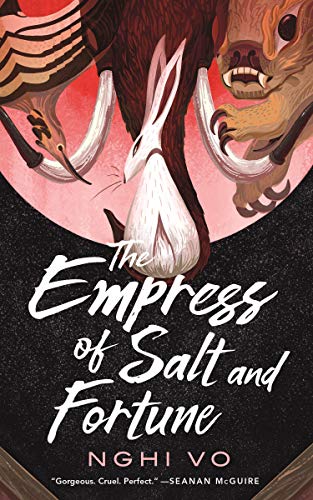
The Empress of Salt and Fortune by Nghi Vo

The Empress of Salt and Fortune by Nghi Vo

Beautiful. That was my main reaction upon first finishing this novella. Vo’s skill as a writer is such that I just myself sitting in awe. That is not to say the characters and world are not brilliant too but if you want a master class in storycraft, you can do a lot worse.

Rediscovery: Science Fiction by Women (1958 to 1963) by Various (ed. By Gideon Marcus)

Rediscovery: Science Fiction by Women (1958 to 1963) by Various (ed. By Gideon Marcus)

Finally, a marvellous collection of some of the best forgotten short fiction of the late 50s and early 60s, highlighting the marvellous range of women writing in this period.

I discussed each story at Young People Read Old SF.

So that is a wrap for 2021. Hope you all had a happy new year and let us see what comes in 2022.

Sibyl Sue Blue

SIbyl Sue Blue

Rosel George Brown

Review by Kris Vyas-Myall

Rosel George Brown is one of the greatest forgotten women SF authors. Nominated for the Hugo for Best New Author in 1959, she started releasing novels at the same time as Ursula K Le Guin and her first novel was longlisted for the Nebula Award in 1967. Yet she has been overshadowed by the big names coming out after her like Anne McCaffrey and Joanna Russ. Thanks to the Journey Press first reprinting of Sibyl Sue Blue in half a century, hopefully this can be somewhat remedied.

For this is a noteworthy book in a number of ways. In 2018 Aliette de Bodard wrote an excellent essay On Motherhood and Erasure. One of the points she has in this is there is an unspoken assumption that mothers cannot have adventures. Sibyl Sue Blue has no trouble with that at all. It should also be noted that whilst de Bodard mentions some exceptions to this, all are from later (with the exception of The Count of Monte Cristo), showing how unusual this tale was for the time.

One thing that is interesting about Sibyl, is the way she is able to both embrace her femininity and yet subvert the stereotypes of women in these kind of detective stories. On the one hand she does in some ways appear like a femme fatale description but yet she is essential the story and also always willing to have a big cigar on hand.

In some ways the science fictional mystery may not have been to my taste, the pacing and writing itself kept me engaged throughout and made it a very quick read and enjoyable story. That is not to say there is not depth and subtext in the story, but I will leave that for you to explore yourself.

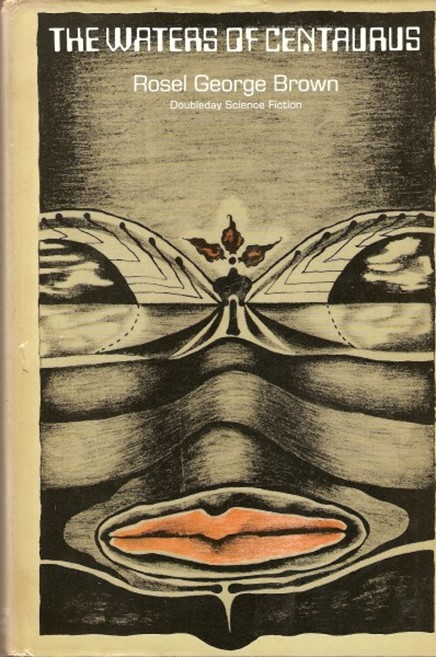
Unfortunately, Brown died of lymphoma in 1967, at just 41. There is only one more adventure in this universe, The Waters of Centaurus, published posthumously. Her career was just picking up again and I can imagine a whole series of Sibyl Sue Blue adventures could easily have been written through the seventies.

What we have though is still wonderful, and I very much look forward to exploring her other adventure.

Waters of Centuarus

Until next time…

Goodreads Link

Publishers Website

The Subjective Chaos Kind of Awards 2021 Winners


And so we come to the end of another year SCKA. An enjoyable many months of reading and arguing. So, without further ado, here are the winners and thoughts on why they won:


Fantasy Novel (Joint Win):

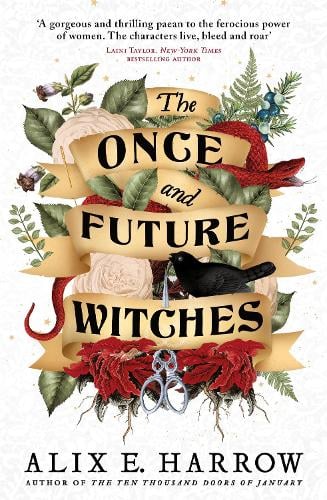
The Once and Future Witches by Alix E Harrow

“Alix E. Harrow has crafted something truly special with this story. Her prose is by turns powerful and deft of touch, and blends together fantasy, fairytale and history into a thoroughly modern classic.”

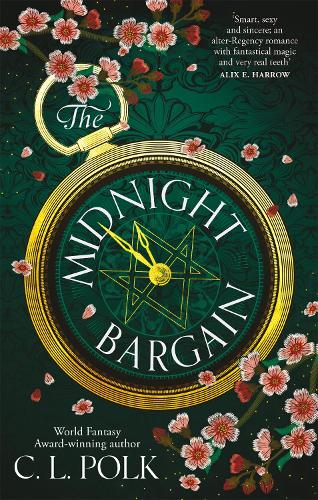
The Midnight Bargain by CL Polk

The Midnight Bargain is not only a wonderful story about witches in a richly imagined Regency-style setting, but it’s a clever exploration of reproductive rights and bodily autonomy. It is a thoroughly modern and political book while masquerading as a gorgeous escapist fantasy, and that makes it a fantastic read.


Science Fiction Novel:

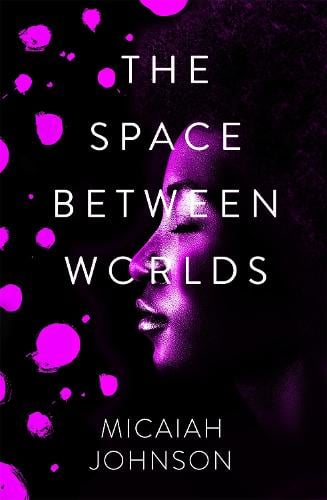
The Space Between Worlds by Micaiah Johnson

“A beautiful intelligent story exploring the parallel worlds concept but also combining it with issues of racism, classism and yet also has a core of hope running throughout”


Blurred Boundaries:

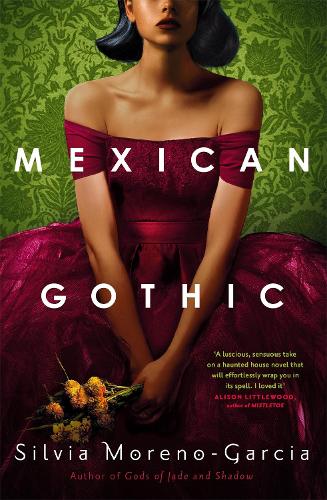
Mexican Gothic by Silvia Moreno-Garcia

“This stylish thriller blends Gothic tropes with 50s noir and body horror. Expect modern themes of prejudice and complicity in an unapologetically creepy tale of controlling families and psychedelic fungus.”

 Novella:

The Empress of Salt and Fortune by Nghi Vo

“The Empress of Salt and Fortune is an epic tale in miniature: a mosaic of moments and manipulations that resolve into a bigger picture of rebellion.” 


Series:


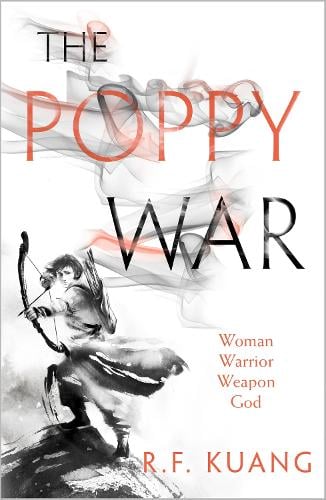
The Poppy War by RF Kuang

“Based on the Second Sino-Japanese War (1937-45), R.F. Kuang’s trilogy starts off as an academic fantasy, transforms into a military historical fantasy, and ends as a grimdark narrative. This Asian-inspired series delves into the layers and the consequences of power and warfare.”


Short Fiction:

You Perfect, Broken Thing by CL Clark

“This is a story about an athlete competing in a Race which forces her to push her sick body to its limits to win a cure. There’s a perfect blend of camaraderie between the main character and their training partners, and the desperate, unfair competition they are pushed into to survive; these are characters still pushing in the face of constant, overwhelming struggle and that’s a powerful, challenging, necessary thing.”

Debut:

Legendborn by Tracey Deonn

“Legendborn is not only one of the most creative reworkings of Arthurian myth – making the corpus truly the author’s own – but it is a tender exploration of grief and Black girl magic in a richly crafted world touching on slavery, privilege and secret societies.”


So until next year stay subjective and stay chaotic!